

November 2026
Dragons—Fiction or Forgotten Friends?
Najnovšie témy
Dragons—Fiction or Forgotten Friends?
September a Október 2026
Pozemské a mimozemské mystické bytosti
Júl 2026
Zemské línie, stojace kamene a pamiatky
Máj a Jún 2026
Naše prepojenie s Matkou Zemou
Marec a Apríl 2026
Portály
Február 2026
Časové línie
December 2025 a Január 2026
Duchovný prístup k zvládaniu životných výziev
November 2025
Pozornosť a zámer
Október 2025
Nulový bod a rovnováha
September 2025
Autentické ja, ego a identita
Júl 2025
Prekonať rozdeľovanie
Jún 2025
Nezávislosť a vystúpenie z matrixu
“Všetci sme na svojej vlastnej jedinečnej ceste. Všetci budete vysoko rozvinutí a pokročilí v tom, v čom iní ľudia nie sú, a budete mať oblasti na vzdelávanie, ktoré vás iní ľudia môžu naučiť alebo sa s vami o ne podeliť. A to je podľa mňa úžasné. Nikdy sa necíťte menej ako ktokoľvek iný.”
“Bolo veľmi zaujímavé zopakovať si základné duchovné témy. Je veľmi jasné, ako výrazne sa ľudia vyvinuli od prvého kola. Tentoraz sa objavuje neuveriteľná krehkosť, zamyslenie a hĺbka. Aby sme krehkosť a zamyslenie ešte viac posilnili, vytvorili sme časť, v ktorej majú ľudia možnosť rozprávať svoj životný príbeh, ak chcú. Ako sa sem dostali? S akými výzvami sa stretli? A ako sa rozvíjali? To nám dáva príležitosť lepšie sa spoznať, lepšie si porozumieť a prejaviť súcit. Všetkým sa to páči. Robíme to po dvoch; zdá sa, že je to dobrý spôsob, ako si stáť za slovom.”
“Naše MDT (Mesačné duchovné témy) snímajú masky, pod ktorými sa ľudia skrývajú, aby sa dostali k svojej skutočnej identite a postavili sa zoči-voči tomu, kým sú. Potom môže autenticita zažiariť, ale vyžaduje si to odvahu a tvrdú prácu.”
“Vďaka nebesiam za CC... niekedy sa musím od týchto ilúzií dištancovať, ak chcem vidieť pokoj.”
“Tieto témy mi pomáhajú zamerať sa skôr na vnútorný ako na vonkajší aspekt. Jedná sa o pozitívny odstup od chaosu, ktorý nás obklopuje.”
“Základné duchovné témy sú tak aktuálne pre našich nových členov, z ktorých mnohí začínajú svoju duchovnú cestu prebudenia... (Ďakujeme Becky nd Chris)... Je nádherné vidieť nadšenie z tohto prebudenia.”
“Duchovná téma tohto mesiaca sa mi skutočne páči. Veľmi mi pomáha. Naozaj mi pomáha uzdraviť sa.”
“Prichádza mi, že sa nachádzam vo svete spoločenského vedomia a smostatne upravujem svoju úlohu v ňom. Ďakujem za sprostredkovanie týchto kurzov.”
“Empatia a súcit... táto téma sa v CC rozoberá už druhýkrát. Vidieť rast seba, tímu a členov ako celku bolo veľmi inšpirujúce a potvrdilo to, že je to krásna a dôležitá práca, ktorú všetci robíme.”
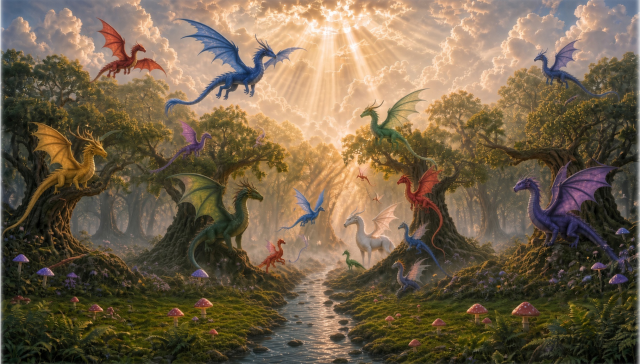
Let’s face it: Dragons have had a bad rap. In movies and books, they are typically the ‘bad guys’—fire-breathing, fierce, annihilating, and causing chaos and ruin. Even many children’s books portray dragons as flying in and slaying kingdoms. Unicorns have been written off as fictional creatures, often with a condescending statement like, “Do you think life is all sunshine, rainbows, and unicorns?”
It is socially acceptable for children to believe in dragons, fairies, unicorns, and other ‘mythical’ creatures; however, not so for adults. These beings have been relegated to myths and children’s stories where ‘imagination’ is allowed.
And yet, there are adults who hold on to their imagination, draw upon inspiration, and have a broader faith in both the seen and unseen.
“I believe in everything until it’s disproved. So I believe in fairies, the myths, dragons. It all exists, even if it’s in your mind. Who’s to say that dreams and nightmares aren’t as real as the here and now?”—John Lennon
“For fantasy is true, of course. It isn’t factual, but it is true. Children know that. Adults know it too, and that is precisely why many of them are afraid of fantasy. They know that its truth challenges, even threatens, all that is false, all that is phony, unnecessary, and trivial in the life they have let themselves be forced into living. They are afraid of dragons, because they are afraid of freedom.”—Ursula K. Le Guin, American speculative fiction author
There are many other ‘mythical’ beings, such as Mermaids, Griffins (a hybrid of a lion and an eagle), Phoenixes, Sphinxes, Chimeras, Loch Ness Monsters, and many more. There are also more human-like beings such as Fairies, Pixies, Elves, Gnomes, Leprechauns, Giants, Sasquatch, Centaurs (half-human, half-horse), Minotaurs (half-man, half-bull), Fauns (half-man, half-goat), and others that we reviewed in the last Monthly Spiritual Topic. For the rest of this topic, we will focus primarily on dragons.
Úplný text, ako aj ďalšie zdroje sú členom CC k dispozícii na Mighty Networks , súkromnej sociálnej platforme CC.
Čo sú mesačné duchovné témy (MDT)?
Každý mesiac vytvárame nové duchovné témy. Koordinátori využívajú tieto témy na vedenie diskusií, aby dali členom príležitosť hovoriť o skutočných životných situáciách a podeliť sa o svoje postrehy, nápady a stratégie. Duchovné témy sú zverejňované na internej sociálnej sieti CC, kde sa členovia z celého sveta zapájajú do rozhovorov a zdieľajú osobné myšlienky. Tieto témy sú navrhnuté tak, aby poskytovali body na diskusiu o sebauvedomení a duchovnom rozvoji, ktoré umožňujú a posilňujú každého z nás stať sa najlepšou verziou toho, kým sme!
Ciele MDT
Všetci sme na jedinečnej ceste rastu a hľadania väčšieho zmyslu, poslania a radosti zo života. Na to je potrebné hlboko sa zamerať na svoje vnútro. Ako povedal perzský básnik 13. storočia Rumi: „Všetko vesmírne je vo vás. Všetko žiadaj od seba.“
Cieľom mesačných duchovných tém je pomôcť členom:
- Lepšie spoznať seba samého (sebarealizácia)
- Spojiť sa s ich vnútornou múdrosťou
- Rozvíjať vedomé sústredenie a zámer
- Žite z priestoru, ktorý je zameraný na srdce
- Vyjadrovať súcit a slúžiť všetkým
- Zosúladenie s ich Vyšším/Božským Ja
- Manifestovať pozitívnu zmenu pre seba a spoločnosť
Ciele MDT
Proces Mesačná duchovná téma bol vytvorený na splnenie dvoch hlavných cieľov: Ponúkať členom duchovný dialóg a vzdelávanie a poskytnúť koordinátorom relevantné tematické materiály na uľahčenie pútavých diskusií členov. Koordinátorom to šetrí čas, pretože už nemusia vyhľadávať témy a materiály na prezentáciu. Koordinátorom to tiež dáva príležitosť ďalej rozvíjať svoje schopností moderátora.